•  


    2025 Mining History Association


    ON THE WAY TO THE MHA…


    Ouray and Silverton, Colorado

    June 9-10, 2025


    Mike Kaas


    PHOTO GALLERY 5

    CLICK ON A PHOTO TO DISPLAY A LARGER IMAGE


    My visit to the Mining Heritage Center had only scratched the surface.  There were many more exhibits to see and time was getting short.  I hadn’t forgotten my commitment to Tom Horton to report back to him on my favorite exhibits.


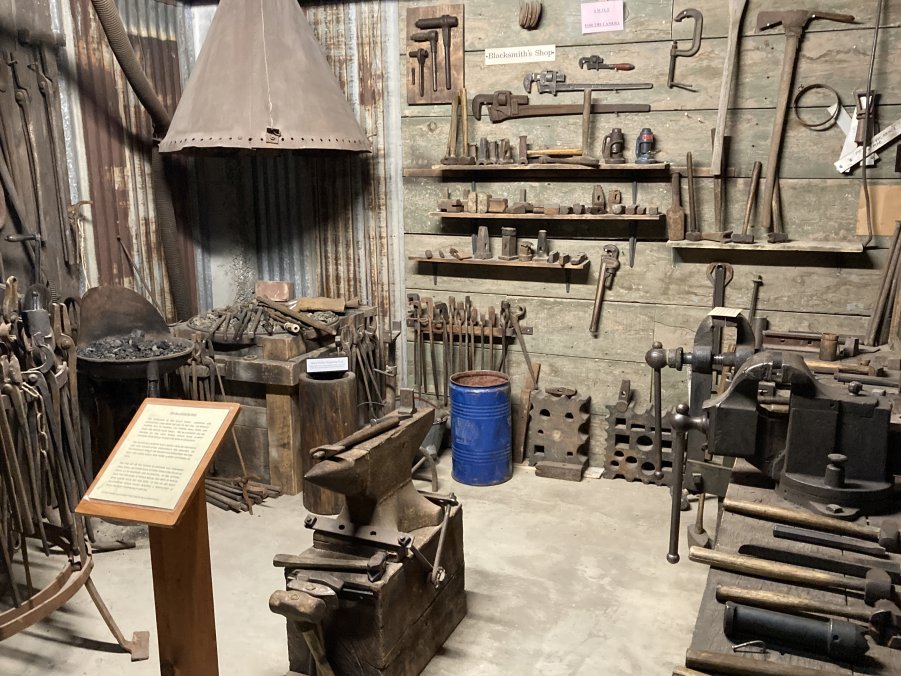
    The Blacksmith Shop was an essential part of any mining operation.


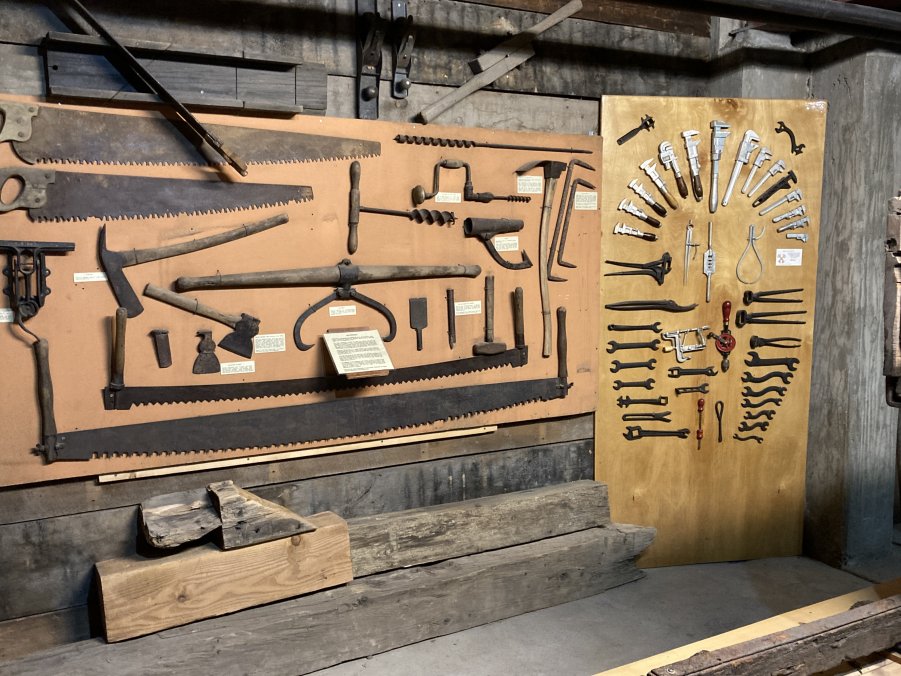
    Tools used in a Wood Shop and by timbermen underground.


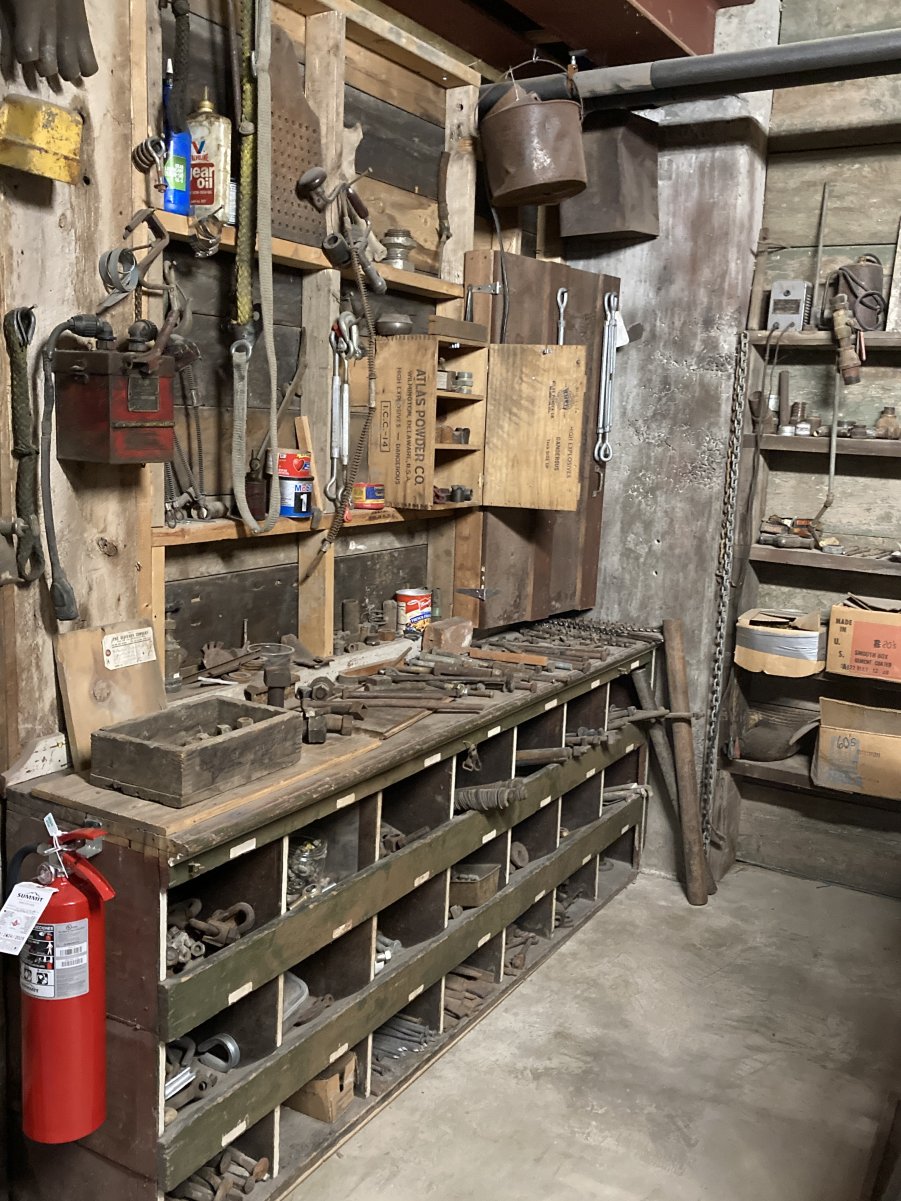
    Tool cribs and parts bins in the Machine Shop where drills and other mechanical equipment were repaired.


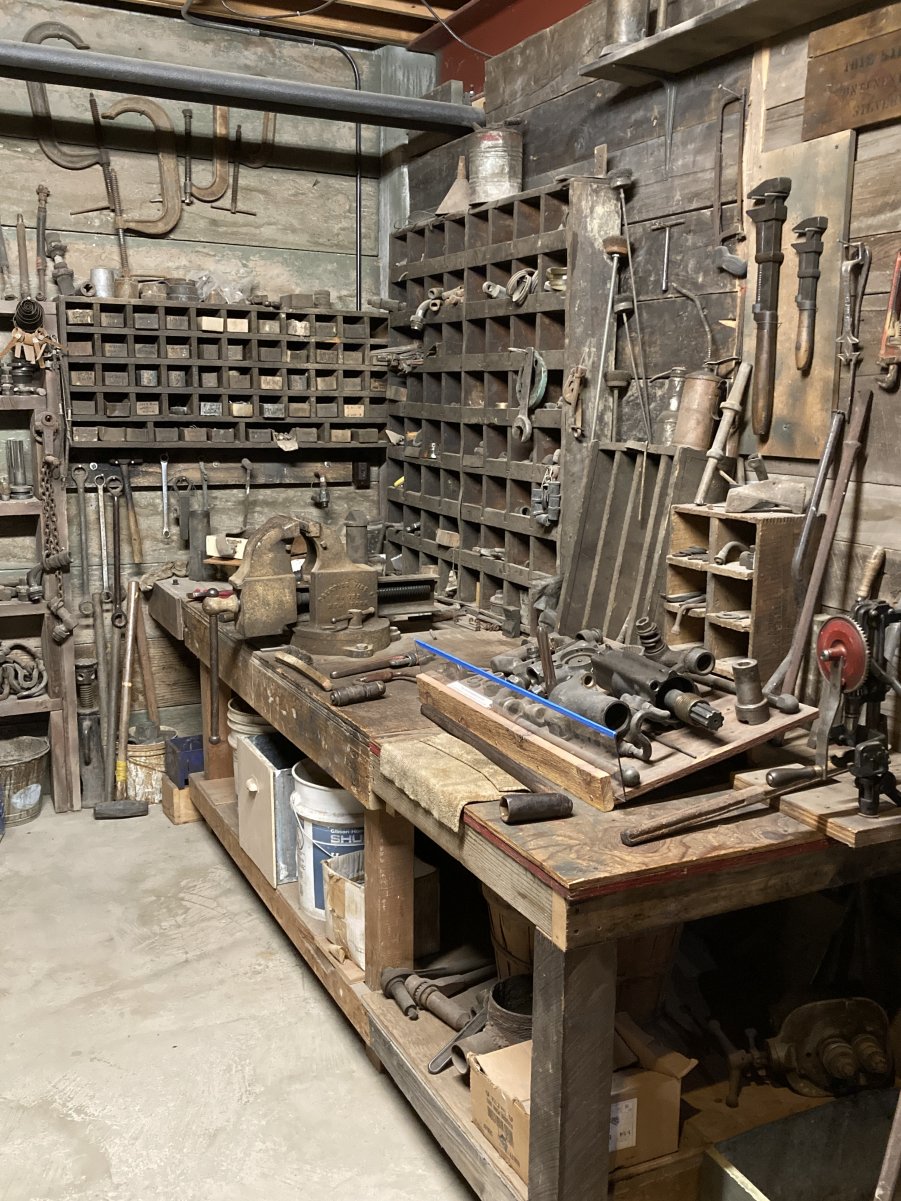
    More tools and parts bins in the Machine Shop.  Compressed air drill parts are on the workbench.


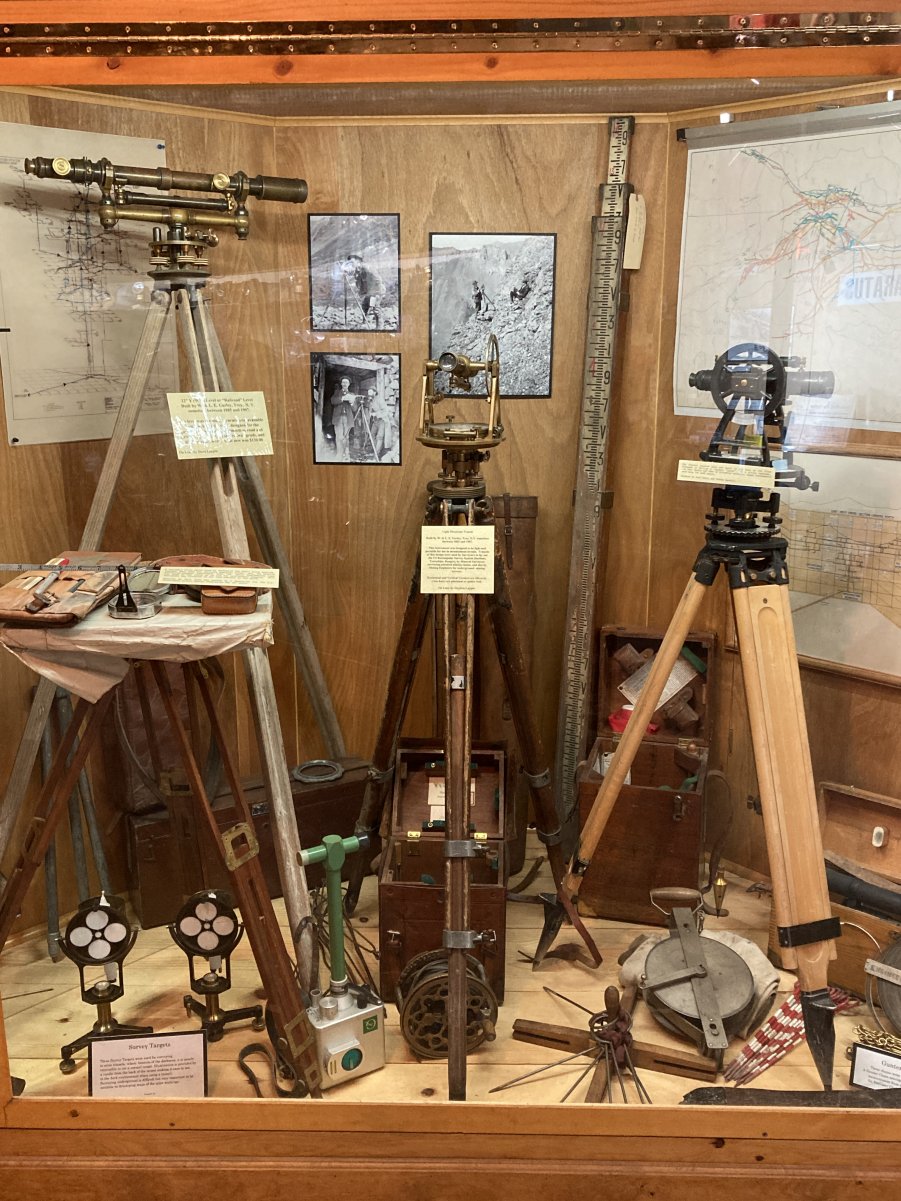
    SPECIALIZED MINING SKILLS


    (Left) The early miners simply followed the vein of ore.  Later, surveyors, geologists, and engineers mapped the mine workings to keep within claim boundaries and to plan and measure production.


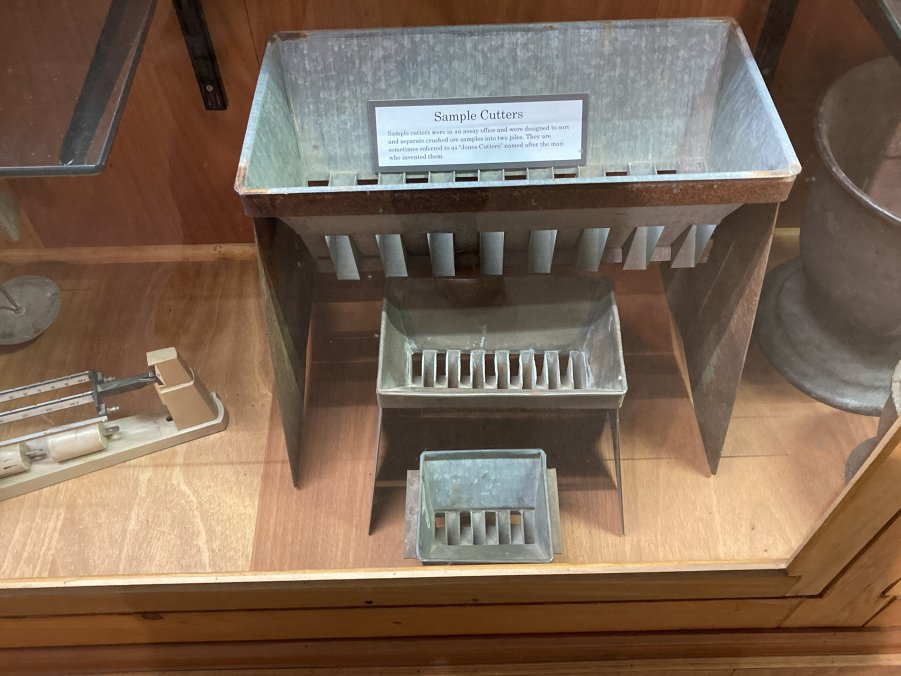
    (Above) Sampling the ore underground kept mining in the ore and avoided mining barren rock.  Samples were crushed and “cut” to reduce sample size and make sure it represented the ore being mined.


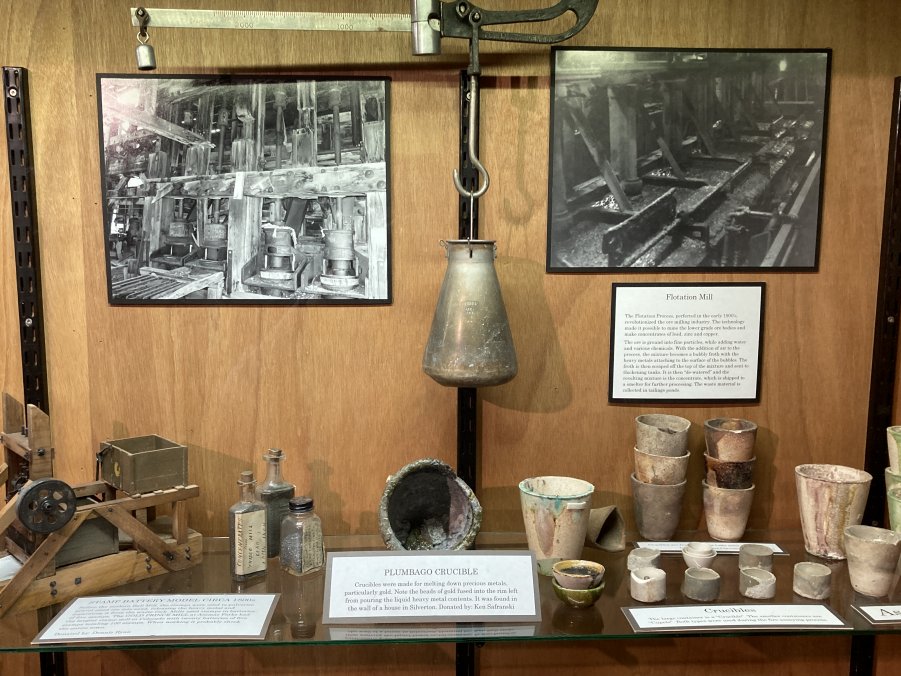
    Assayers were essential for determining the metal content of the ore.


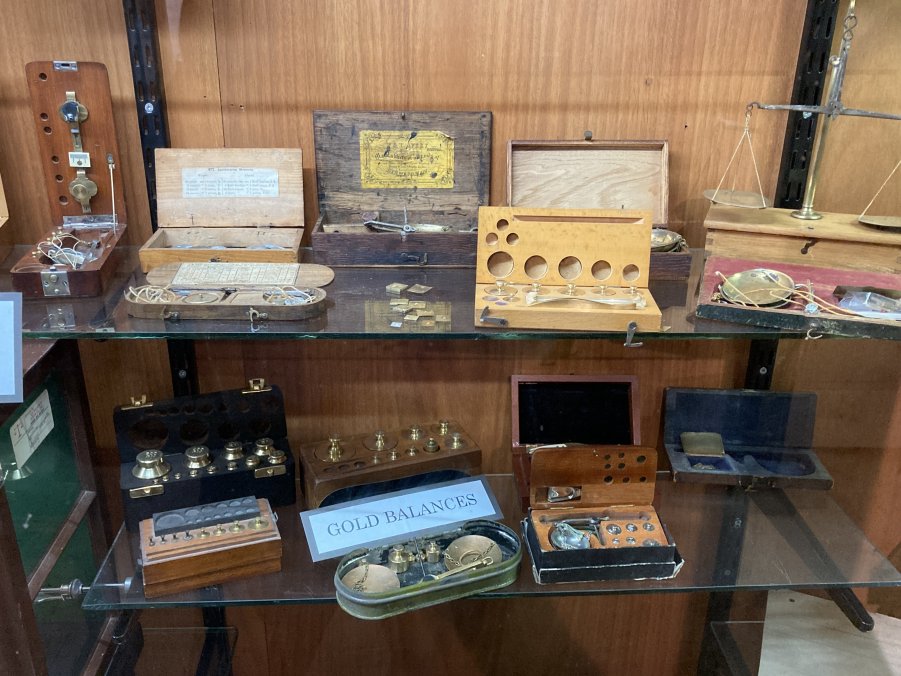
    Sensitive balances were used to weigh gold is the assayer’s laboratory and in saloons that accepted payment for bar bills in gold.


    ORE PROCESSING


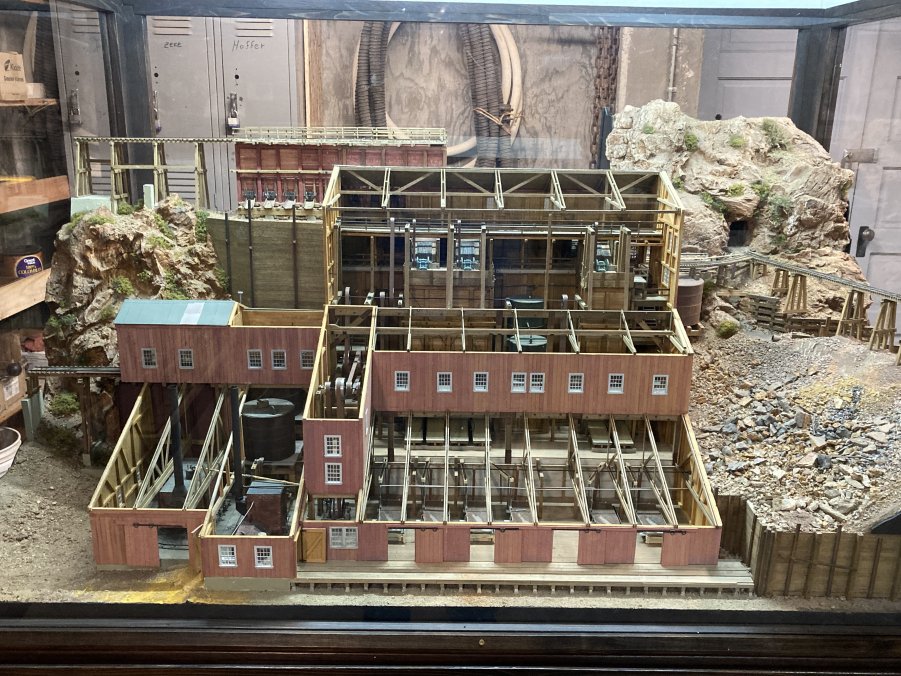
    (Above) Model of a stamp mill.


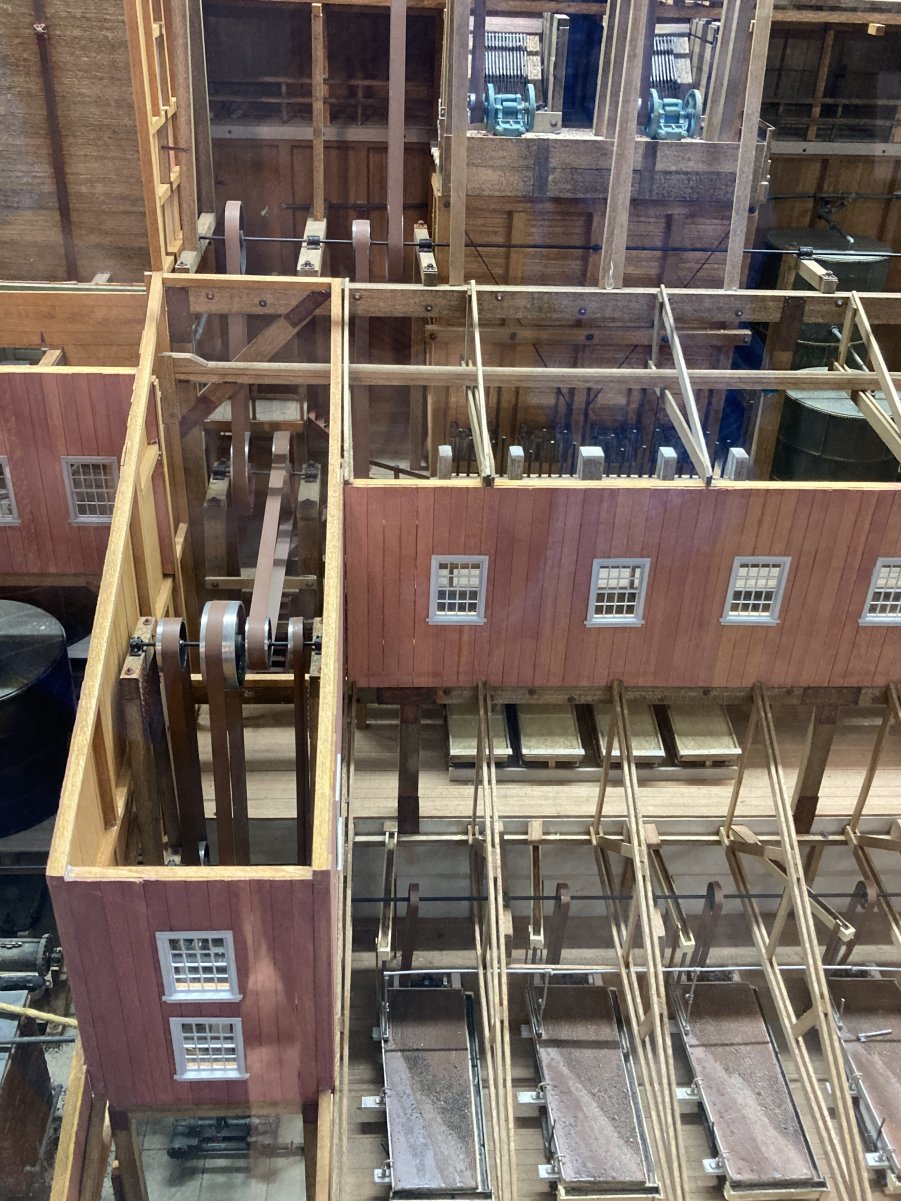
    (Right) Close-up view of the belt and pully system that powered the mechanical devices in the mill: jaw crushers (light blue, at the top), stamp batteries (grey), amalgamation tables below the stamps, and Wilfley tables (grey, at the bottom).


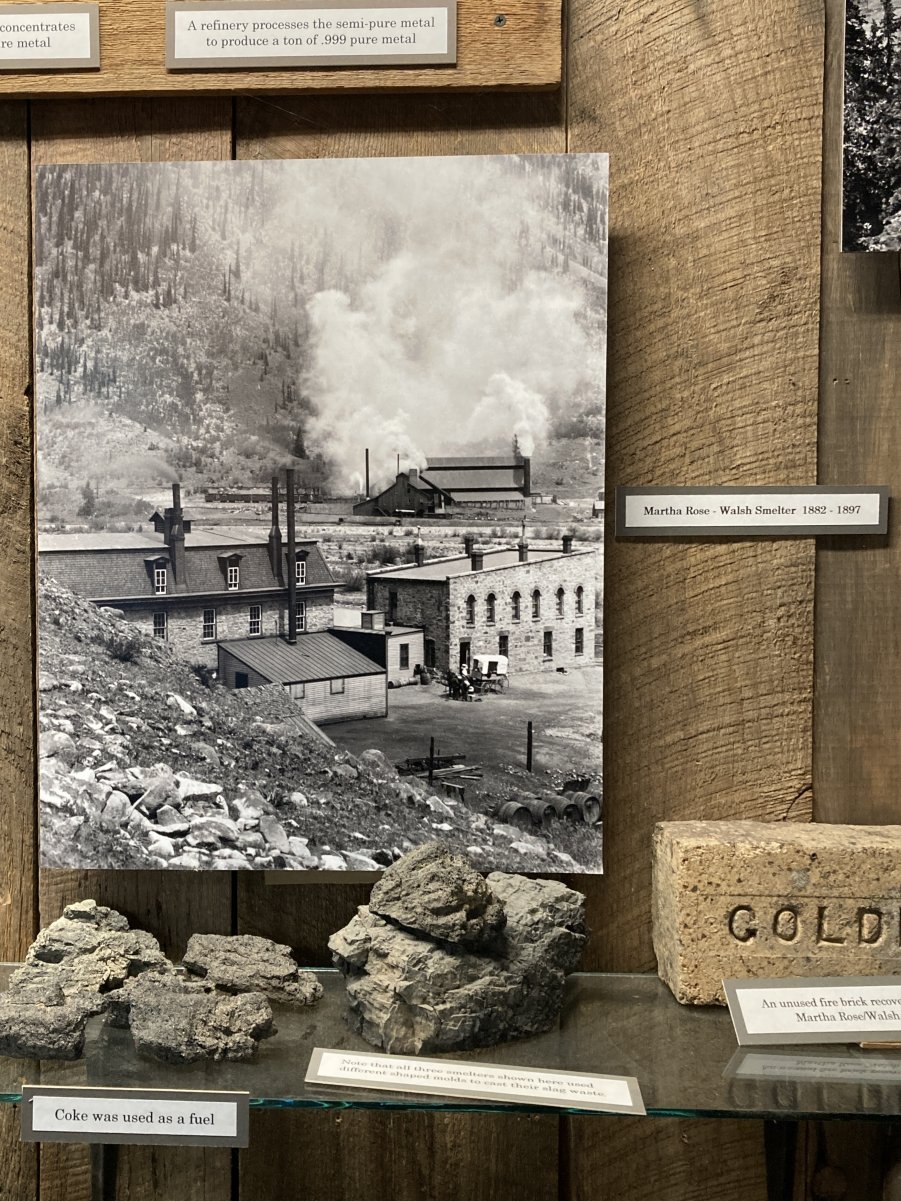
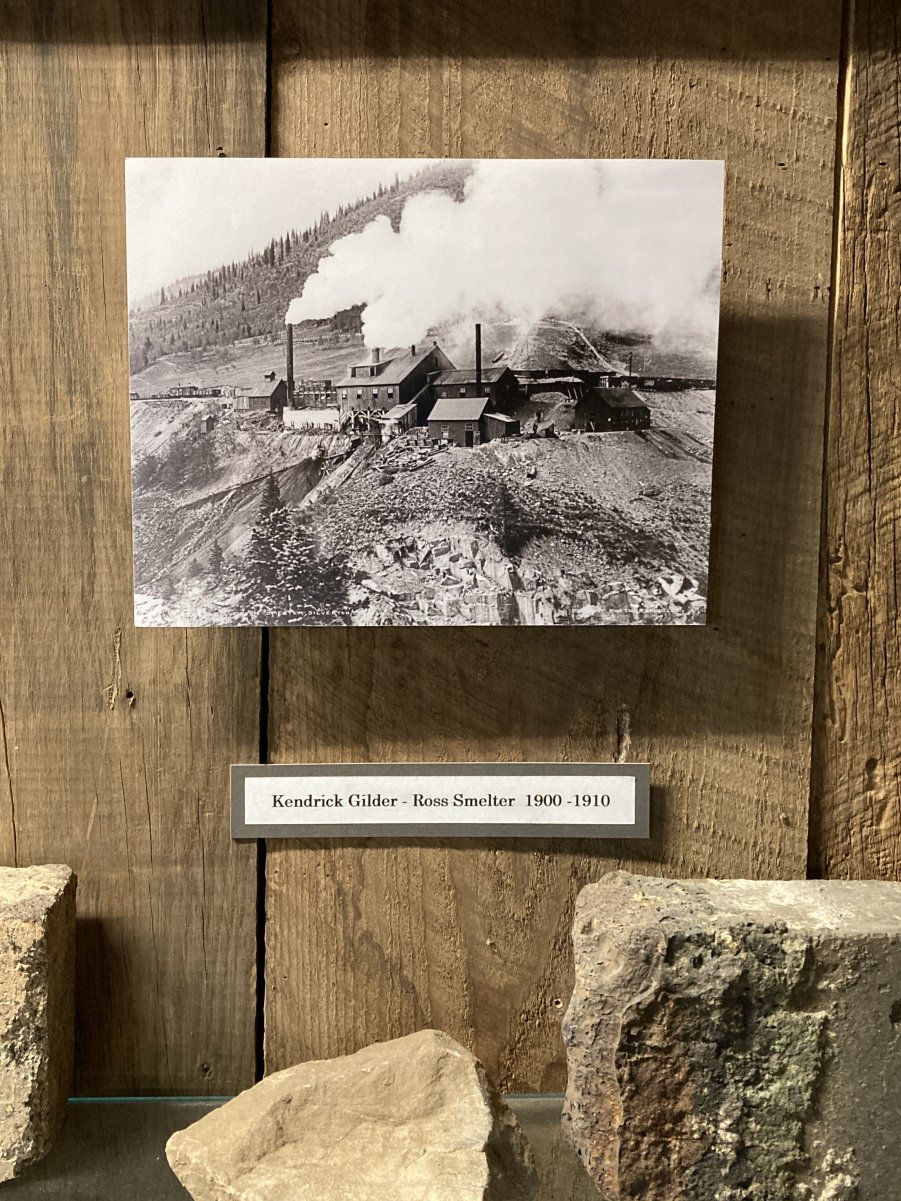
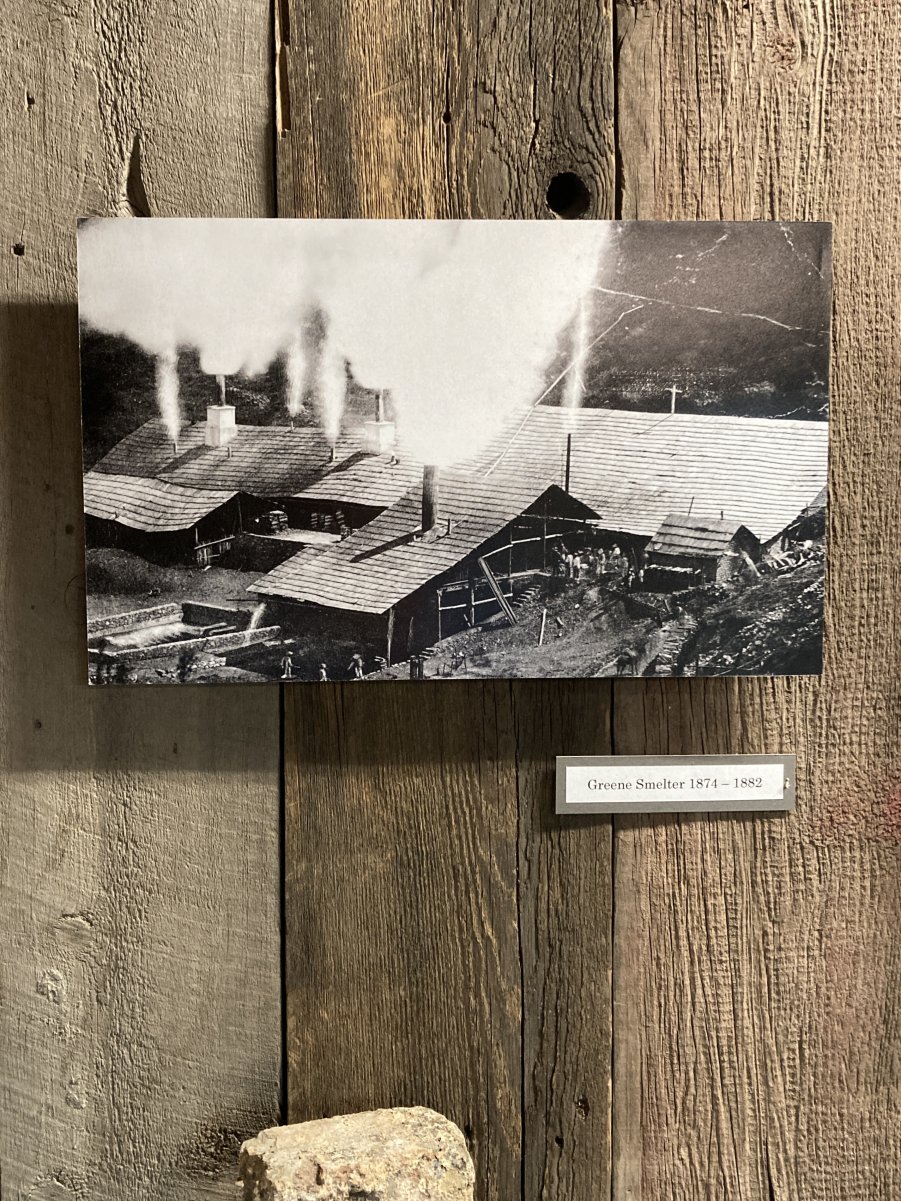
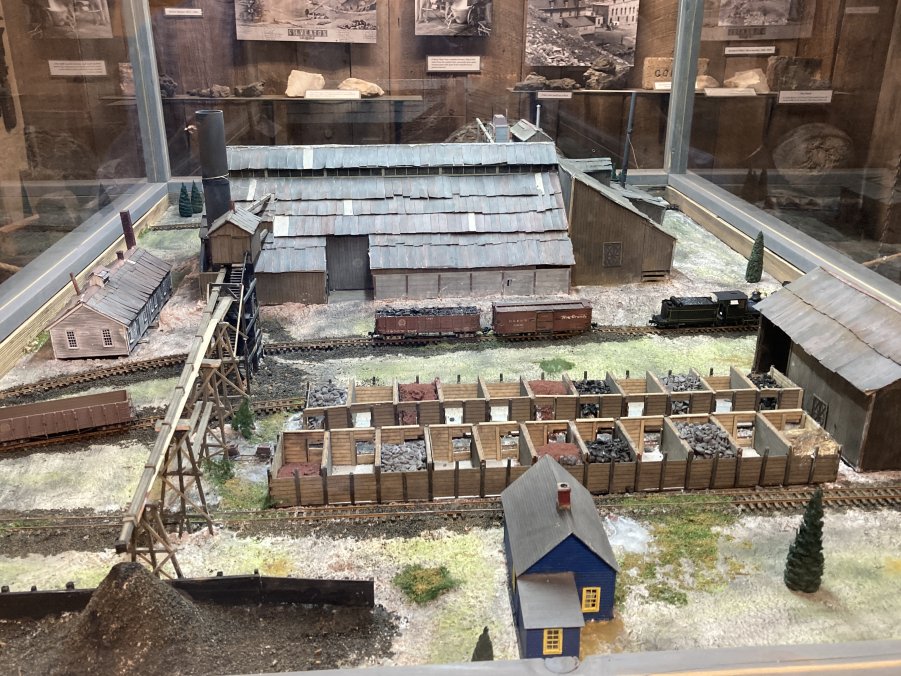
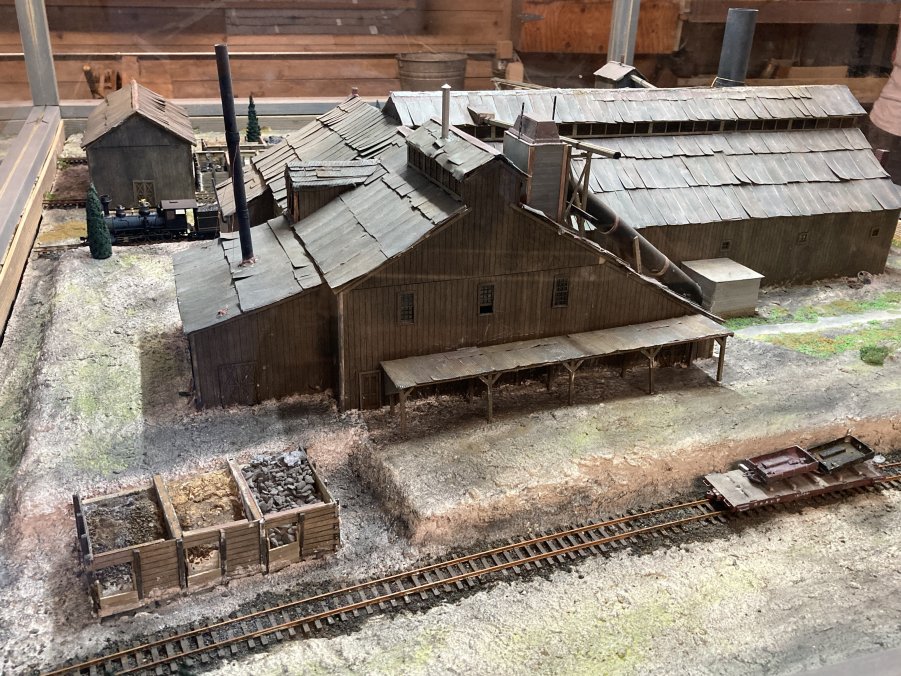
    Model of the Martha Rose-Walsh Smelter


    Miner Mike’s Favorites:


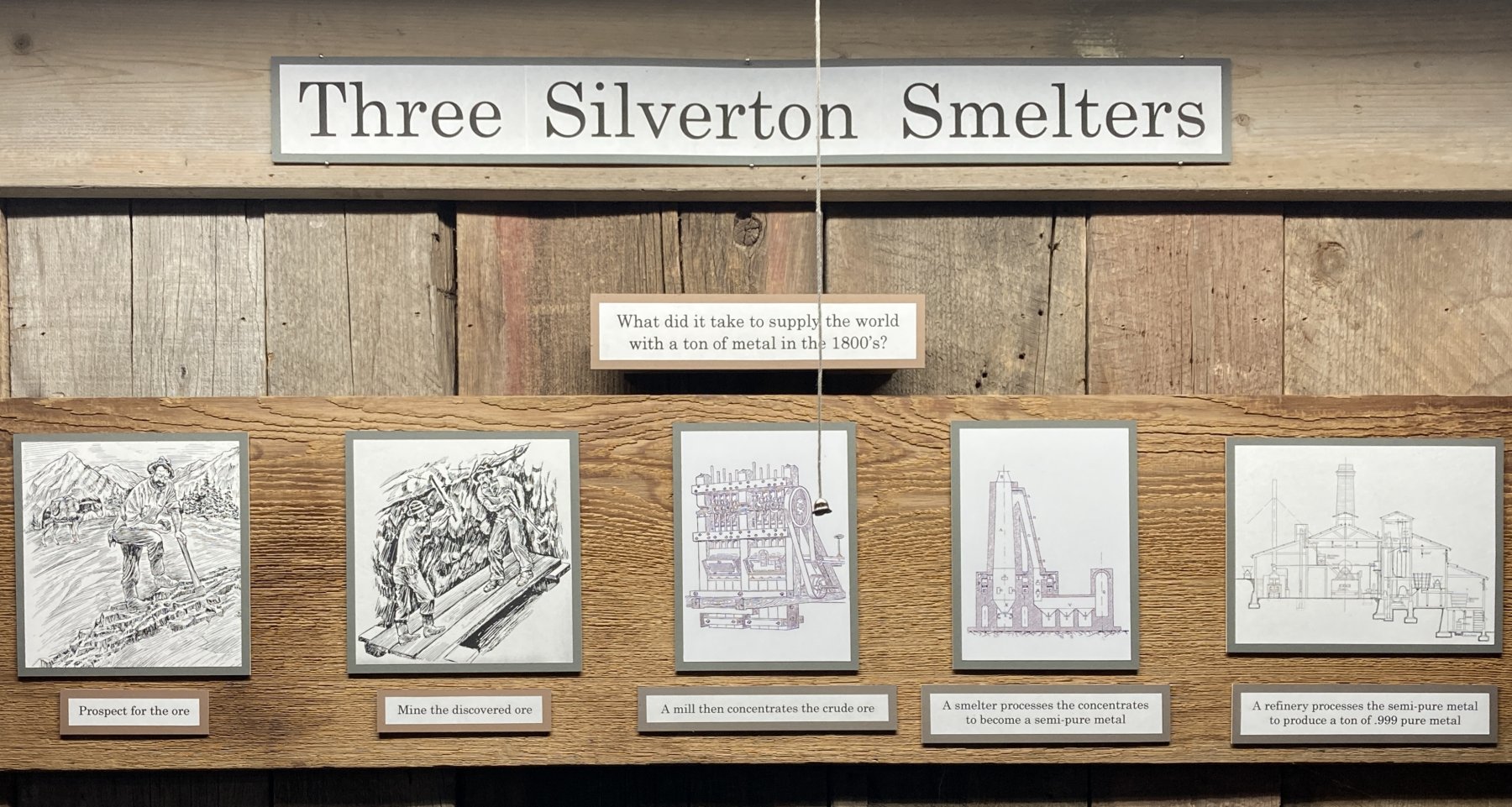
    Those who regularly view the MHA Website know will recognize Mike Kaas’ bias toward mining models of all types.  They help us understand complexities of geology, orebodies, mining methods, and processing techniques.  The excellent concentrator and smelter models above are obvious favorites.  With such comprehensive exhibits, the Silverton Mining Heritage Center made chosing other favorites very difficult.  When I reported back to Tom Horton, I mentioned the two other favorites shown below.

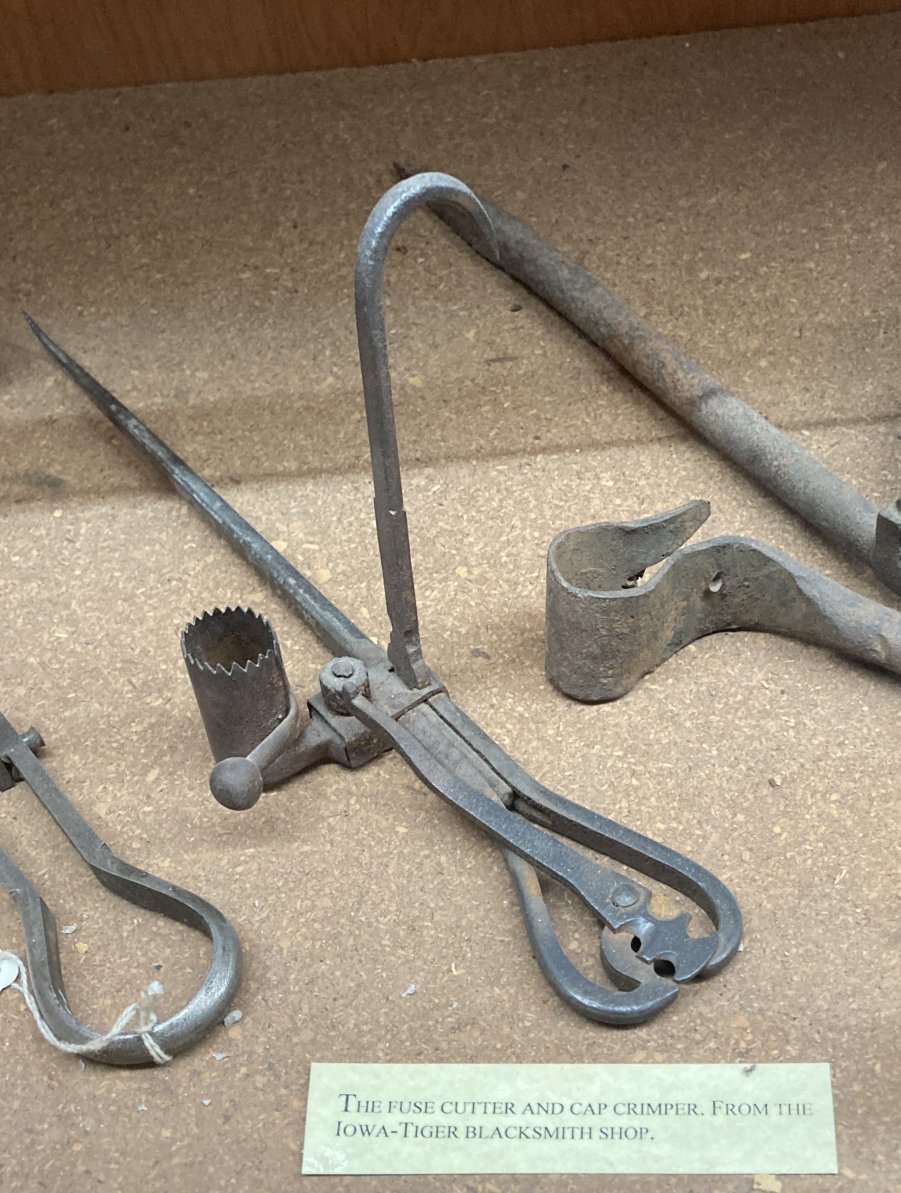
    It was easy to miss this combination candle holder, fuse cutter, and blasting cap crimper in the exhibit case with many other miner’s lamps.  It is a design we had never seen before.  Perhaps it was a one-of-a-kind creation of the blacksmith at the Iowa-Tiger Mine where it was found.

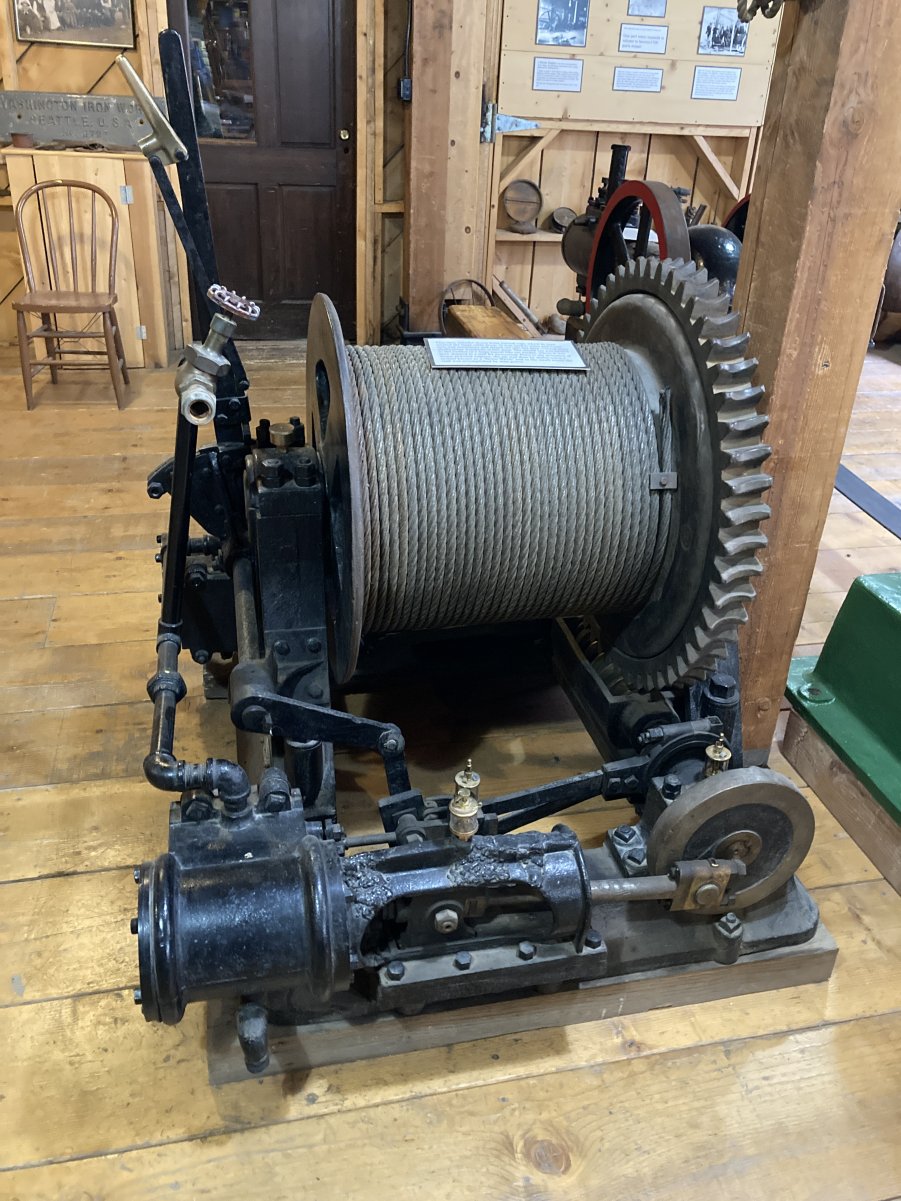
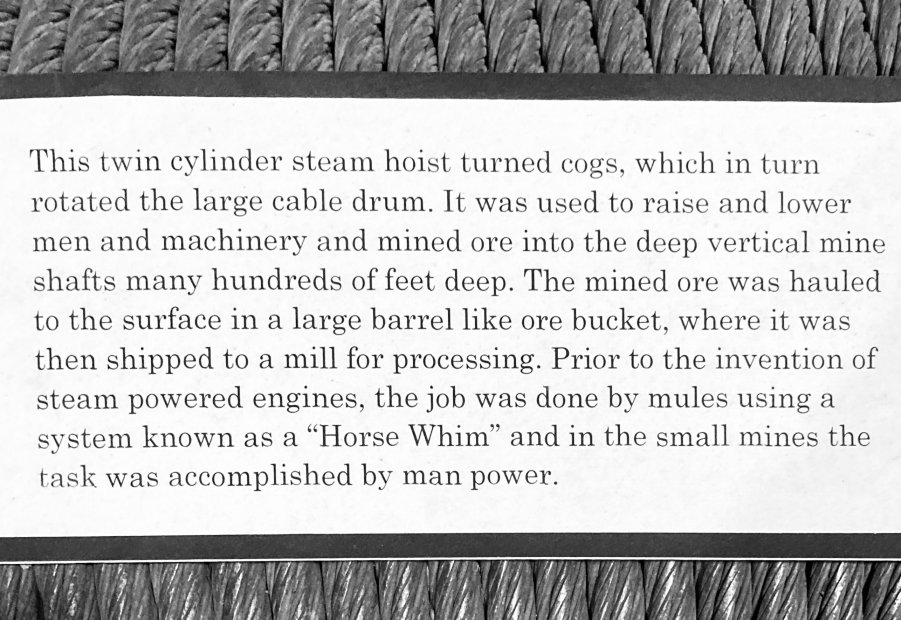
     Mine hoists of different designs are staples of mining museums worldwide.  The steam driven hoist above with its rack and pinion mechanism is particularly well restored.  Its operation is described in the easy-to-understand exhibit sign (CLICK HERE).


    Photos courtesy of Mike Kaas


    CLICK HERE FOR GALLERY 6

    CLICK HERE TO RETURN TO THE GUNNISON  MEETING PAGE


    All contents copyright 2011. This is a ZStudios website.