36th Annual Conference, May 28-31, 2026
Pittsburg, KS and Joplin, MO
BOOKMARK THIS PAGE FOR THE LATEST INFORMATION
AS ARRANGEMENTS ARE FINALIZED
WELCOME
The 36th Annual Conference of the Mining History Association was
held May 28-31, 2026, in Pittsburg, Kansas. Most conference activities
were held on the campus of the Pittsburg State University at either
the Crimson & Gold Ballroom inside the Overman Student Center or the PSU
Library. The exception being the Opening Reception which was held at
the Joplin [MO] History and Mineral Museum. Please see the Program for
the details.
Mining was the dominant industry in Southeast Kansas, Southwest Missouri, and Northeast Oklahoma for more than 100 years. The region was a major producer of coal, lead, zinc, among other minerals. Pittsburg itself
was a major lead and zinc smelting center for the Tri-State Mining District (MO, KS, OK) located just 30 miles to the south.
Although mines have been closed for around 50 years, its influence is everywhere, even if may locals do not know the full mining history.
Many buildings in Downtown Pittsburg as well as Joplin, Missouri and Miami, Oklahoma were built during the heyday of the mining era. The
mining and railroad industries led to the opening of a technical school that eventually became the Pittsburg State University. Thousands of
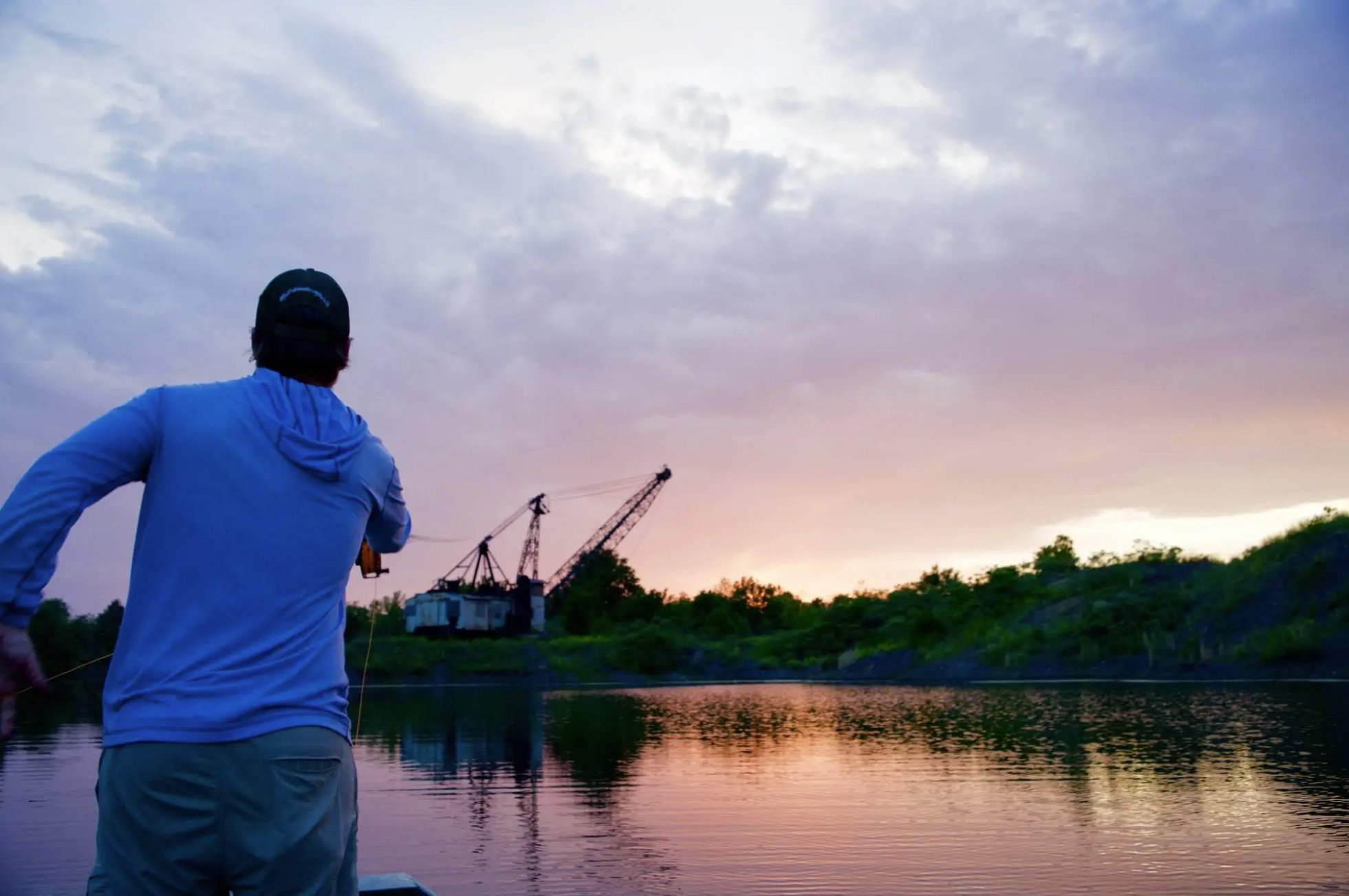
acres of surface coal mines have been reclaimed and are now used for outdoor recreation. In the Tri-State District, Superfund cleanup work is
still underway but extensive remains of mining can still be seen. There are eleven museums working to preserve artifacts and tell the stories of the region’s mining heritage. One of those museums is the
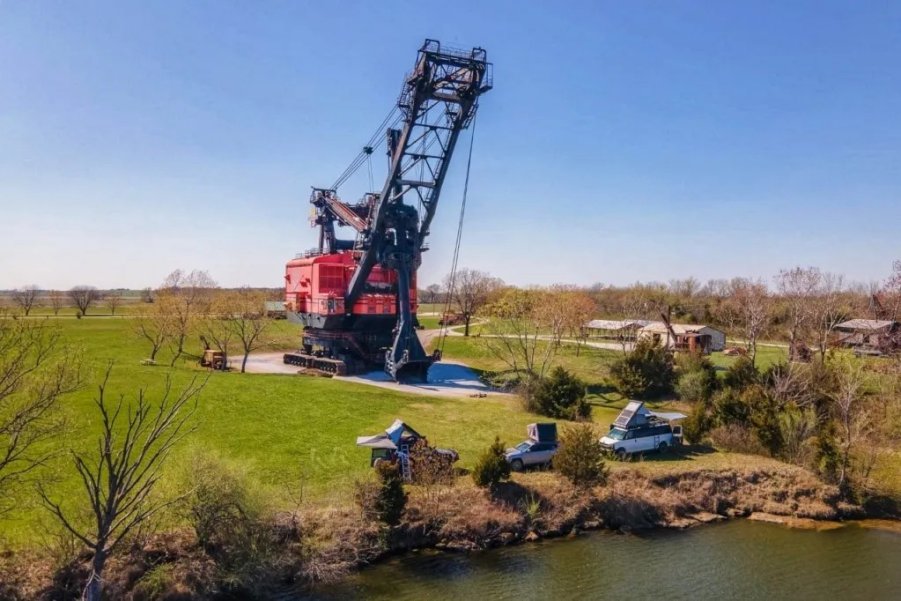
world’s largest surviving electric shovel used in coal strip mining, Big Brutis.It will be visited
on one of the tours.
TRI-STATE LEAD, ZINC, AND COAL MINING HISTORY
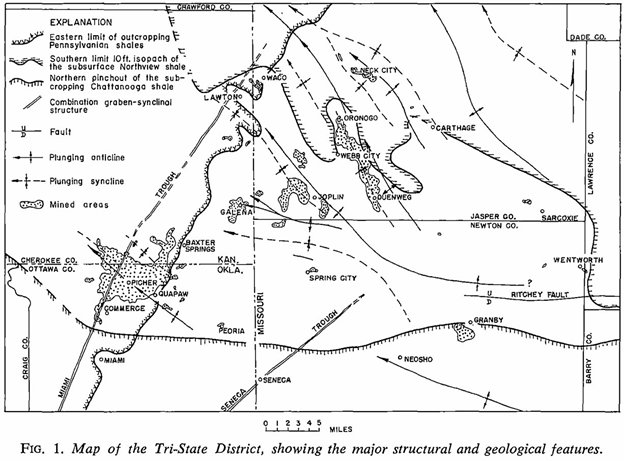
THE TRI-STATE LEAD/ZINC MINING DISTRICT (MO, KS,
OK) - A BRIEF HISTORY
The Tri-State District covers parts of Missouri,
Kansas, and Oklahoma.For
more than a century it was one of the most important metal mining
districts in the U.S.
CLICK HERE for a map of the district (1). Mining started in the
vicinity of Joplin, MO, in 1848 along a mineralized belt extending from
Oronogo, MO, through Webb City and Carterville, to Duenweg, MO, as well
as in Joplin itself.All
these areas are in Jasper. County.A second important mining area was in the vicinity of Granby, MO,
in Newton and Lawrence, Counties.
Mining in the Kansas portion of the Tri-State
started in the vicinity of Galena, KS, in Cherokee County, west of
Joplin, after ore was discovered in 1876.With the later discovery of the Picher Field, mining extended
from Oklahoma into Kansas in the vicinity of Baxter Springs, KS and
Treece, KS.The Picher Field
will be the focus of an all-day MHA conference field trip.
The Oklahoma portion of the Tri-State was the
legendary Picher Field.It
was the largest and most productive part of the Tri-State District.Mining started in 1891 near Peoria, OK, and in Commerce, OK in
1907. This was Indian land comprised of Indian allotments.The allotees leased the mineral rights and received royalties for
the ores produced.
Tri-State production peaked around 1925 but during
both World Wars the District was an essential source of lead and zinc.In 1968 (1), cumulative 1850-1964 production for the district was
reported as 2,825,000 short tons of lead and 11,631,000 short tons of
zinc valued in 1964 prices at over $4 Billion. At that time the price of
lead was $0.16 per pound and zinc was $0.145 per pound.The corresponding prices in November of 2025 were $0.9125 for
lead and $1.3658 for zinc making today’s value over $36 billion.
Nearly all mining had stopped by 1974 due to
declining ore grades, depletion of ore, and depressed metal prices.As mining ceased and pumping stopped, the mines flooded.Shallow mine workings and hundreds of mine shafts collapsed.Gigantic mounds of chat (processing waste) dotted the landscape.Acid mine drainage from metals leaching out of mine workings and
the solid wastes caused pollution of local aquifers.These problems caused the district to be declared the mega-Tar
Creek Superfund site, consolidating 4 subsites:
-The Oronogo-Duenweg Mineral Belt [Missouri] Site,
AKA the Joplin Field
-The Cherokee County, Kansas Site, AKA the Galena
Field
-The Tar Creek [Oklahoma] Site, AKA the Picher
Field, AKA the Miami-Picher District
-The Newton County, Missouri Mine Tailings Site
Two EPA Regional Offices shared jurisdiction,
Region 6 in Tulsa covered the Oklahoma portions and Region 7 in St.
Louis covered the Missouri and Kansas portions.It took some time for the two Regions to adopt a unified approach
to solving the environmental problems. EPA’s cleanup efforts are still
underway after more than 30 years. The EPA Regions prepare periodic
reports on their remedial progress at each part of the Superfund site.
(1) Brockie, Douglas C., Hare, Jr., Edward H., Dingess, Paul R., “Ore
Deposits of the United States, 1933-1968,” Chapter 20, American
Institute of Mining, Metallurgical, and Petroleum Engineers (AIME),
1968, New York, New York.
WEIR-PITTSBURG COAL FIELD – A BRIEF MINING HISTORY
The heritage of Southeast Kansas is not like the rest of the state. It starts with stories of Native Americans and pioneers finding coal along
streams. After the Civil War, the demand for coal from railroads and for home heating led to numerous boom towns along the Weir-Pittsburg Coal
Field. But there were multiple challenges.
Deep shaft mining was deadly work and pay was low. When Winter ended, the need for coal decreased and the number of jobless increased. With no
unemployment benefits or workers compensation if they were injured, many miners would turn to bootlegging. Most were European immigrants with
generations of winemaking traditions. They just happened to live in a state where Prohibition would last 67 years. The area was a hotbed for
worker rights and was home to the largest socialist newspaper in the nation. A 1921 protest by thousands of women made national headlines. A
child of one of the organizers eventually became a congressman who fought for benefits for miners suffering from black lung.
Centrally located on the Weir-Pittsburg Coal Field and the largest community along the coal field, Pittsburg, was also a major lead and
zinc smelting center for the Tri-State Mining District located just 30 miles to the south. Population around the coalfield peaked at around
95,000 in 1920, and steadily declined during the transition to surface mining. Surface mining came to an end in the mid 1970s.
ACCOMODATIONS
The Hampton Inn & Suites by Hilton Pittsburg Kansas Crossing
will serve as our official conference hotel. The planning committee has established a room block with a room rate of $109 per night for May 27
through Monday, June1. It includes a full breakfast. The location of the Hampton Inn is 1285 U.S. 69 HWY Pittsburg, Kansas 66762 USA. Click on the link for a map.Phone
number: 620-231-3100.
BY AIR. Joplin Regional Airport (JLN) offers daily non-stop flights to/from Chicago and Denver,
and is 30 miles east of Pittsburg. For most attendees, the most convenient airports will be Springfield-Branson National Airport (SGF),
90 miles east of Pittsburg; Northwest Arkansas National Airport (XNA), 95 miles southeast of Pittsburg; Tulsa International Airport (TUL), 135
miles southwest of Pittsburg; or, Kansas City International Airport (MCI), 140 miles north of Pittsburg. All of these have rental cars
available.
BY AUTOMOBILE. Pittsburg is located on U.S. 69.
From Joplin, Mo.: Get onto MO-43. Take MO-43 north to MO-96. Take MO-96 west to MO-171. Take MO-171 northwest to US-69. Take US-69 north into
Pittsburg.
From Springfield, Mo.: Get onto I-44. Take I-44 west to I-49. Take I-49 north to MO-126. Take MO/KS-126 west into Pittsburg.
From Bentonville, Ark.: Get onto I-49. Take I-49 north to MO-171. Take MO-171 northwest to US-69. Take US-69 north into Pittsburg.
From Tulsa, Okla.: Get onto I-44. Take I-44 northeast to US-400. Take US-400 northwest to US-400/US-69. Take US-69 north into Pittsburg.
From Kansas City: Get onto I-29. Take I-29 south to I-635. Take I-635 south to I-35. Take I-35 south to US-69. Take US-69 south into
Pittsburg.
From Historic Route 66: While America turns 250, Route 66 turns 100, and the original route goes through the extreme southeast corner of
Southeast Kansas. From Riverton, which is on the route, get onto US-400/US-69. Take US-400/US-69 north into Pittsburg.
Please note, each attendee must register individually so that they
receive the tickets and meal choices they want.
CLICK ON PHOTOS
FOR AN ENLARGED VIEW
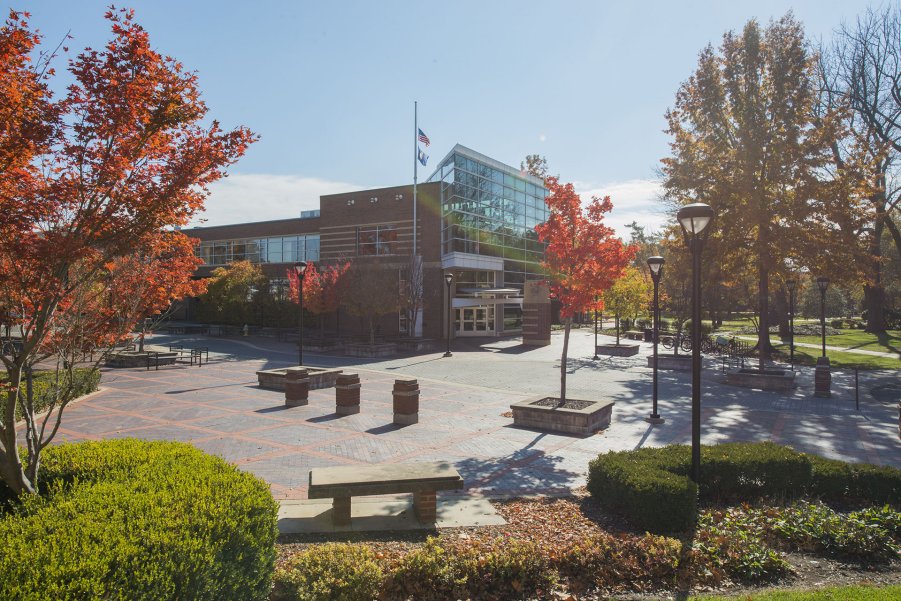
Pittsburg State University campus, Pittsburg, KS.
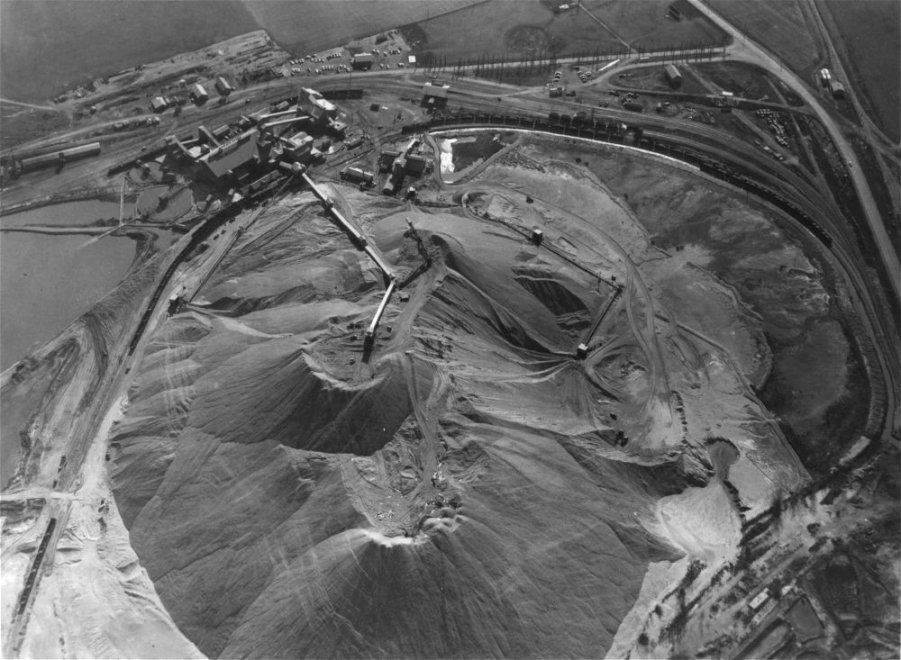
Eagle Picher Central Mill and chat pile during active mining era,
Picher, OK.
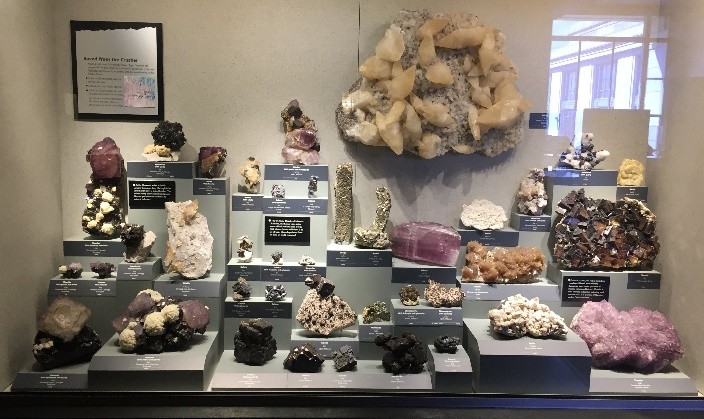
Tri-State Mineral Display at the Smithsonian Natural History Museum,
Washington DC.
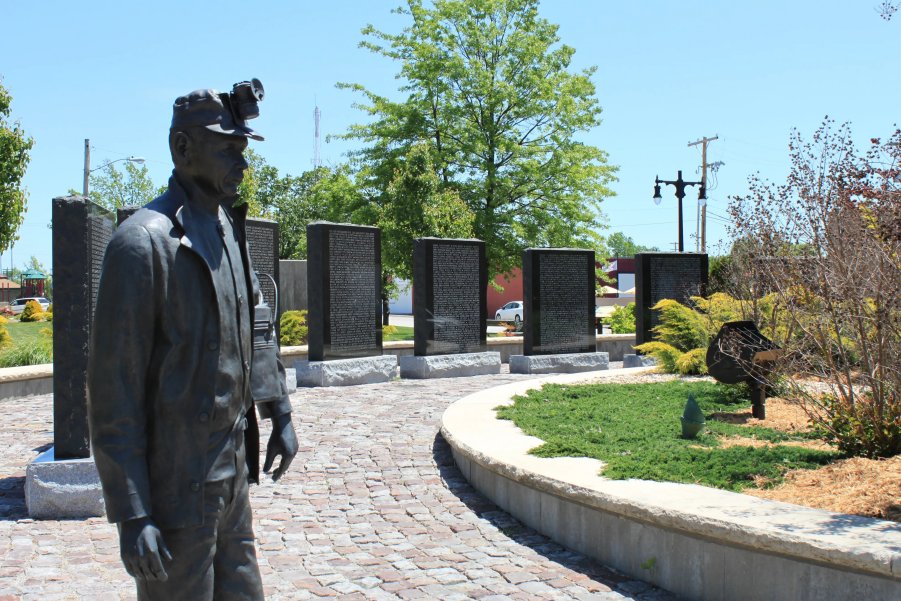
Miners Memorial, Pittsburg, KS.
Big Brutis coal power shovel, Pittsburg, KS.
Dragline across a reclaimed coal strip mine, Pittsburg, KS.
Photo Credits: Pittsburg State University, Crawford County, KS,
Oklahoma Historical Society, Mike Kaas.
SOCIAL EVENTS
WELCOMING RECEPTION, Thursday, May 28, 2026,
CLICK HERE for Photo
Gallery.
The venue is the
Joplin History & Mineral Museum, 504 S Schifferdecker Ave, Joplin, MO
64801.
Phone and location map:
(417) 623-1180 ext. 1586. Be sure to arrive
on time to enjoy the full agenda:
4:30-5:30pm, Visit to Museum; 5:30-6:00pm, Food
& Drinks; 6:00-6:45pm, Speaker, Chris Wiseman, Curator, Joplin History &
Mineral Museum, “Mining, Milling, & Smelting Technology of the Historic
Tri-State Lead and Zinc District”
AWARDS BANQUET,
Friday, May 29, 2026, from 6:30 p.m. to 8:00 p.
CLICK HERE for Photo
Gallery. The venue is the Crimson & Gold Ballroom A, Pittsburg State University
Campus
PRESIDENTIAL LUNCHEON,
Saturday, May 30,
Noon-1:30pm. The venue is the Crimson & Gold Ballroom A, Pittsburg State University Campus.
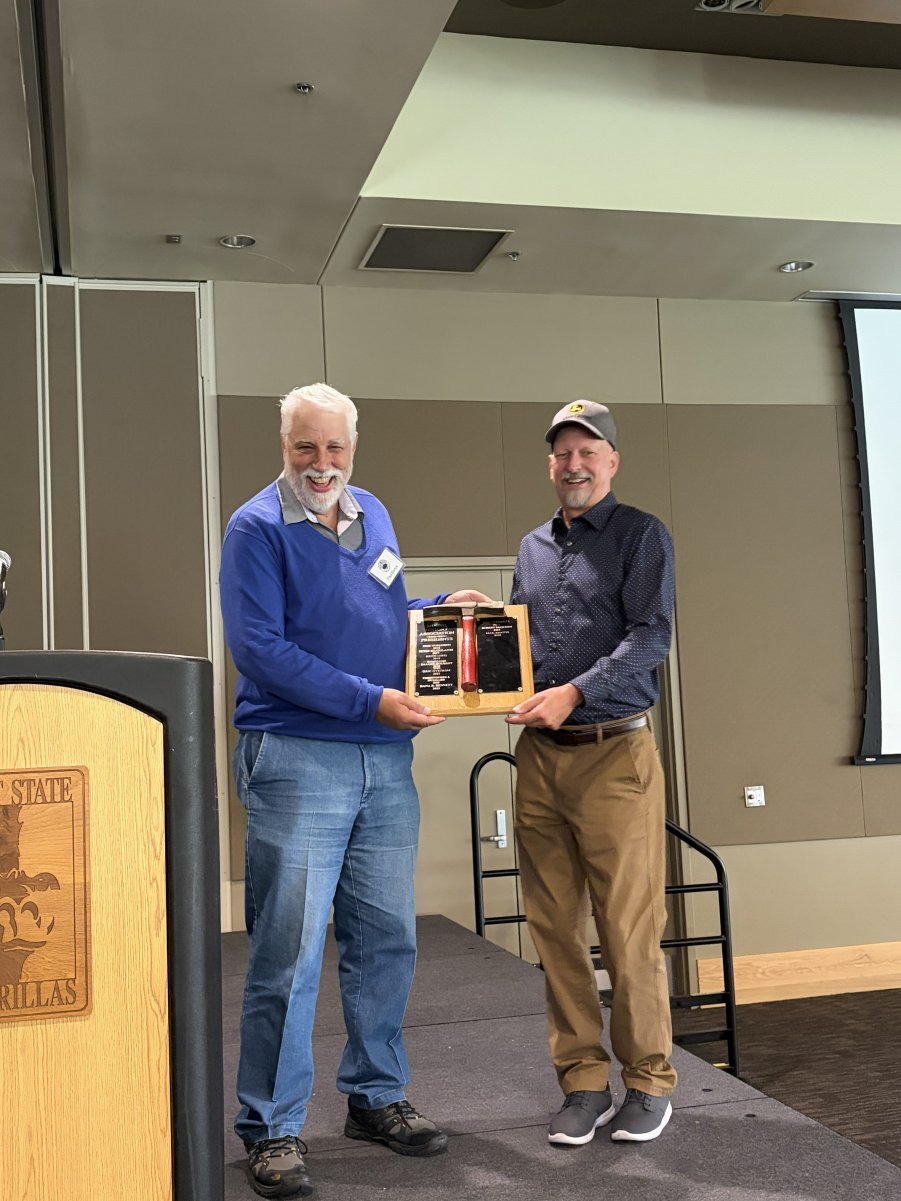
(Left) Rob McQueen (right), the outgoing MHA
President, presents the Presidential Pick to Paul Bartos (left),
the incoming MHA President.
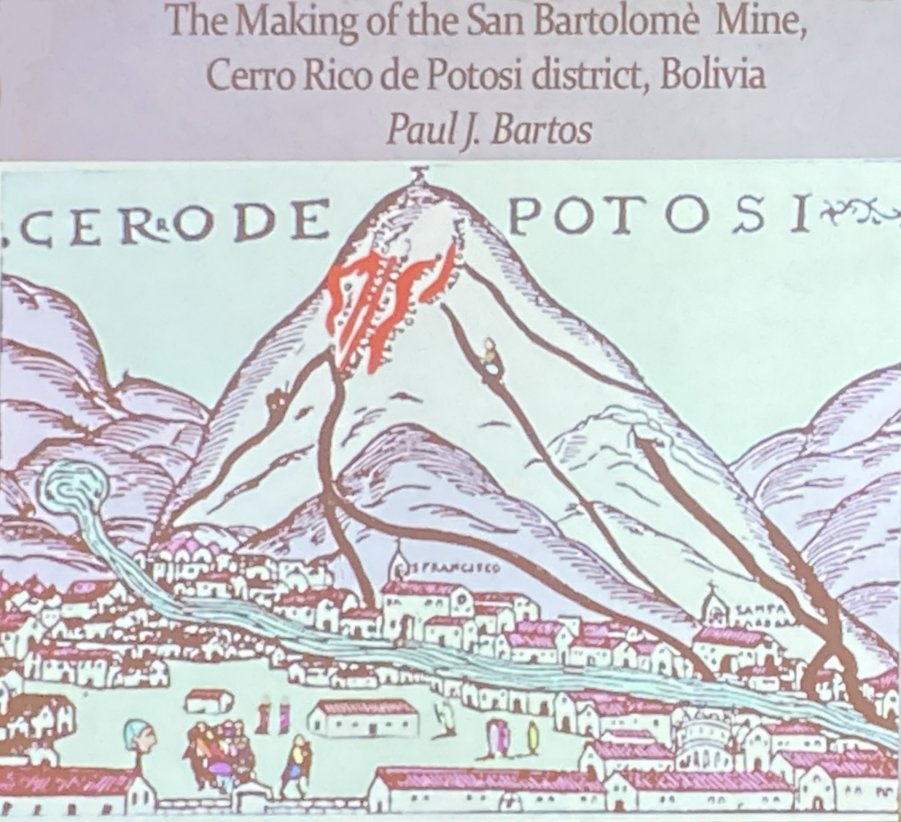
(Above) Paul Bartos’, Presidential Lecture, “The Making of the
San Bartolomè Mine, Cerro Rico de Potosi District, Bolivia.”
TOURS AND FIELD TRIPS
Weir-Pittsburg Coalfield Field Trip
Thursday, May 28, 2026, 8:00 a.m. to 3:30 p.m.
CLICK HERE for Photo
Gallery.
This all-day field trip includes stops at the world’s largest remaining electric shovel, Big Brutus; the Heartlands Railroad Museum; a memorial
and mass grave at Highland Park Cemetery for men killed in a local mining disaster; Miners Memorial in Downtown Pittsburg; the new Heritage
Hall Museum, which lets you experience a bustling coal town like the town's first immigrants; Dragline Park, home to a Page 618 Walking
Dragline; and, Miners Hall Museum. CLICK HERE for the field trip bus itinerary.
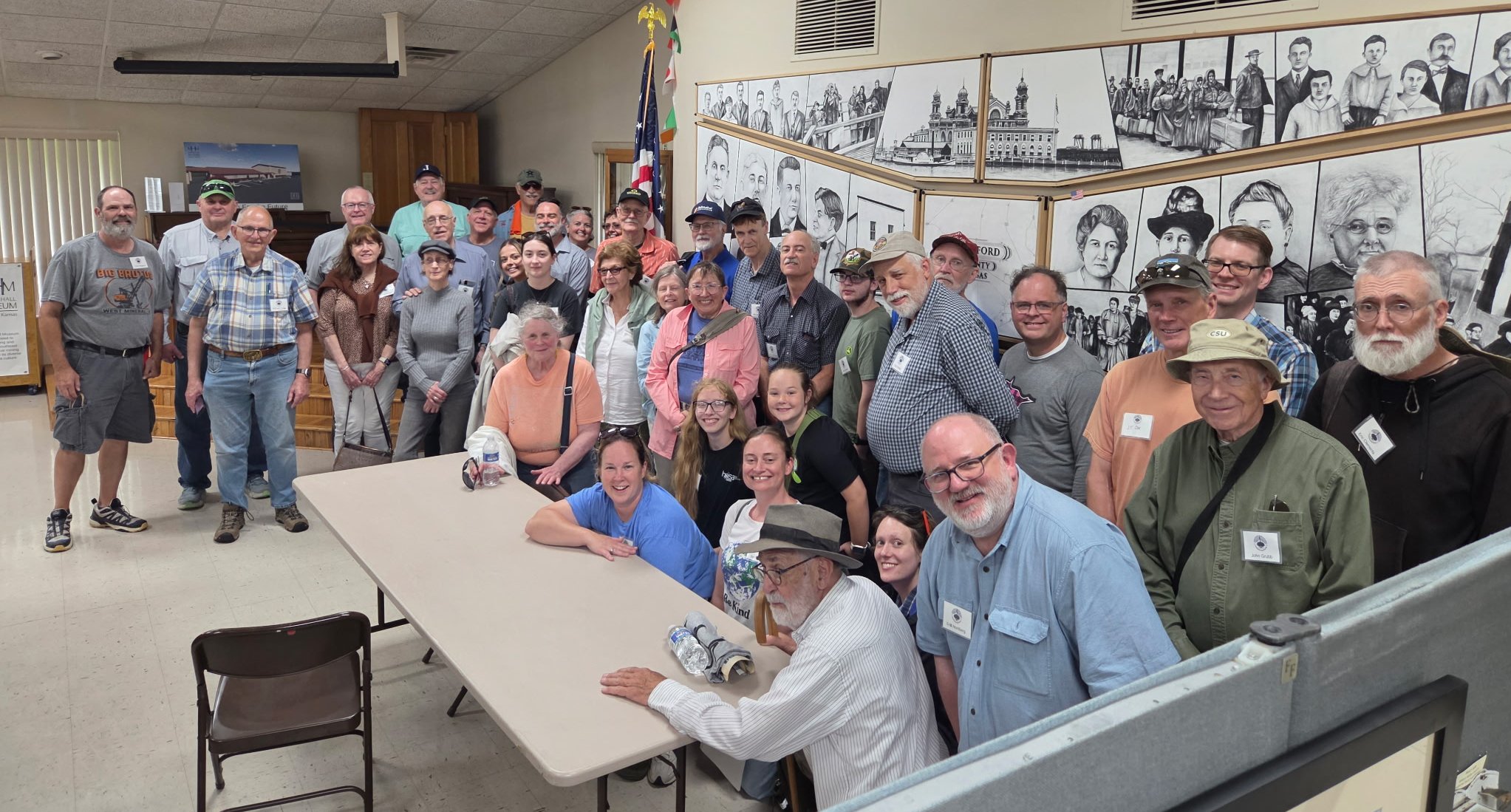
MHAers at the Miners Hall Museum, Franklin, Kansas.
Tri-State District of Oklahoma
Sunday, May 31, 2026, 8am-530pm
CLICK HERE for Photo Gallery.
This all-day filed trip will begin at
the Baxter Springs Museum, to introduce the Tri-State Mining District
through photographs, maps, and museum artifacts. After the museum,
folks will be taken to the Quapaw Nation where officials of the
Environmental Office will provide an introduction to the
Picher/Douthet/Tar Creek mine community and land reclamation sites in
the Quapaw Nation. From there, the field trip will take attendees
to Picher/Douthet/Tar Creek to see the sites. Lunch will be hosted
by the Quapaw Nation at the Quapaw Farmer's Market. After lunch,
the tour will head to Commerce, Oklahoma, where Bob Nairn, University of
Oklahoma Environmental Scientist with 35-years of experience will lead
the tour of Mining Remnants & the Passive Treatment System (water
recovery). After visiting this site, the field trip will visit the
Mickey Mantle Home Site & Statue. Time permitting, the field trip
will end at the Quapaw Museum before returning to Pittsburg. CLICK HERE for the field trip bus itinerary.
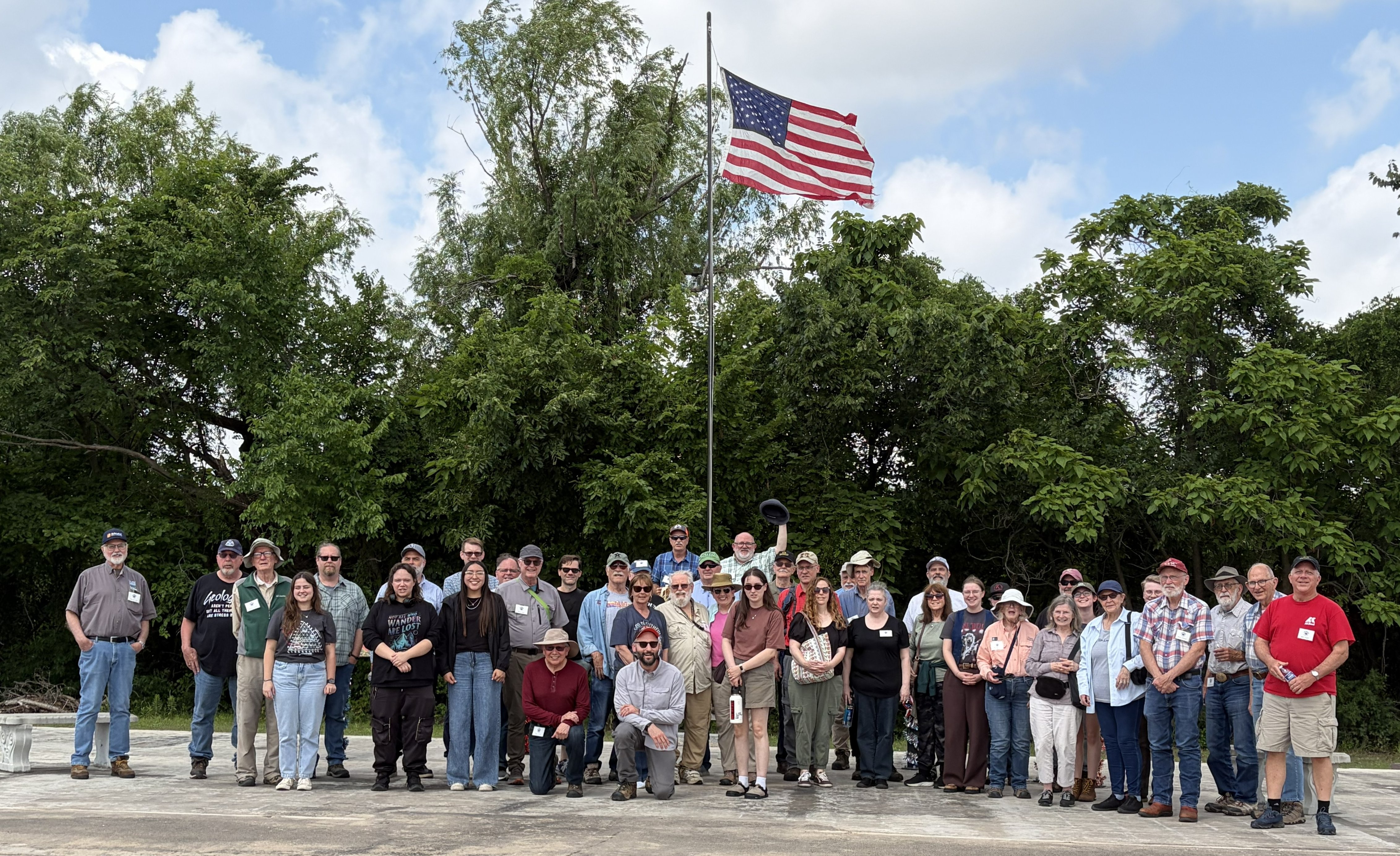
MHAers at the Picher-Cardin Memorial in Picher, Oklahoma.
ON THE WAY TO THE MHA: THE MISSOURI PORTION OF THE TRI-STATE
When the program for the Mining History
Association conference in Pittsburg, Kansas was being developed, it
became obvious that it would be impossible to cover everything in the
Tri-State Lead and Zinc Mining District of Missouri, Kansas, and
Oklahoma plus the Coal Mining District near Pittsburg which had large
smelters for the Tri-State ores. Something had to give and that was the
Missouri mines and mills. So, Mike Kaas decided to follow the
“Do-It-Yourself (DIY) Tour Route” he had prepared during the early
planning stage of the conference and posted on the website.CLICK HERE
to follow along. CLICK HERE for Photo Gallery.
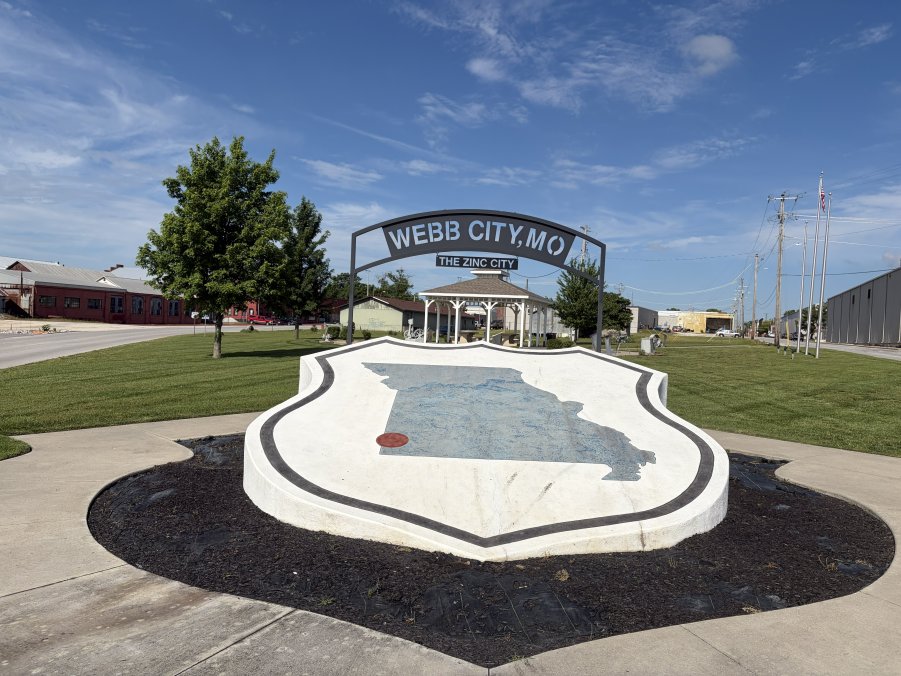
Webb City, Missouri’s Gateway proclaims it is The Zinc City.
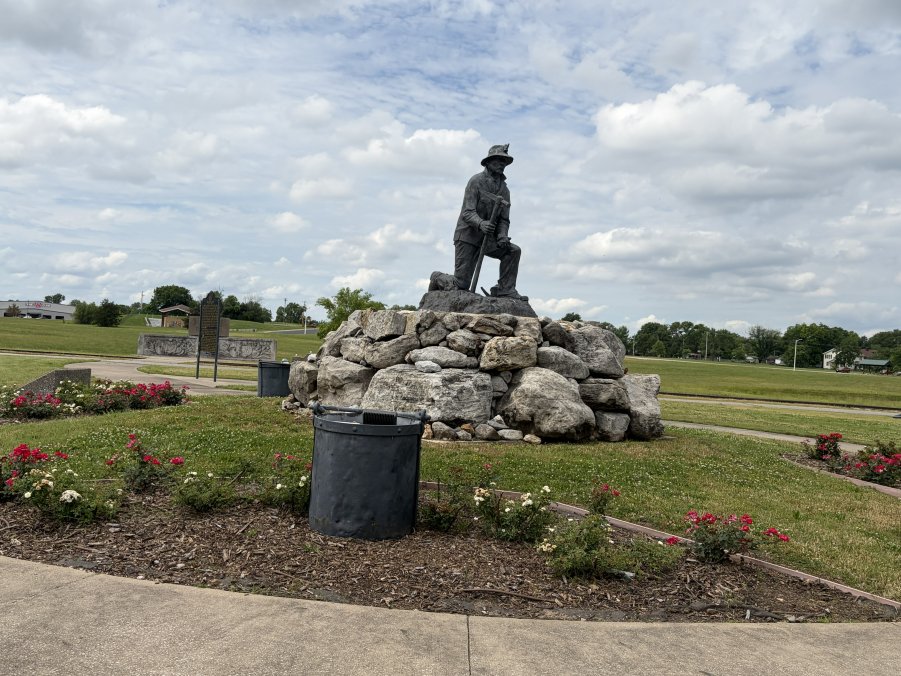
The Kneeling Miner Statue is
at the entrance to King Jack Park in Webb City.
DO IT YOURSELF TOUR OPPORTUNITIES
The Missouri Portion of the Tri-State Mining
District.
Because of time constraints, the tours conducted during the conference
will be focused on the Kansas and Oklahoma portions of the Tri State
Mining District. The Missouri portion of the district also contains many
more locations of mining historical interest.
CLICK HERE
for a suggested tour route.
SIDE TRIPS ON THE WAY TO THE MHA
From the north: Just off US-69 in Fort Scott is the Fort Scott National
Historic Site and their historic downtown. If you are into mid 1800’s
history, this stop is a must. Also, downtown is the Lowell Milken
Center’s Museum for Unsung Heroes.
From the east: If you are taking US-160 from Missouri, just before you
get to the state line you will see the turnoff for the Prairie State
Park. See what this region looked like before agriculture and mining
reshaped it.
From the south: Route 66 enthusiasts will love the last Marsh Arch
Bridge on Route 66 near Baxter Springs, Nelson’s Old Riverton Store in
Riverton, and Galena: Cars on the Route (home to the tow truck that
inspired the PIXAR movie series “Cars”), a Route 66 Giant drive-thru
shield, and the Gearhead Curios souvenir shop (home to the most famous
restroom on Route 66).
From the west: If you are taking US-400 and you like trains, Parsons is
home to the Iron Horse Museum.
In Pittsburg: Attendees will see gorillas everywhere throughout town.
That is because Pittsburg State University is the only college in the
nation with a gorilla as its mascot.
Gibson, Arrell M., “Wilderness Bonanza,” 1972,
University of Oklahoma Press, Norman, Oklahoma.
Roll, Jarod, “Poor Mans Fortune: White
Working-Class Conservatism in American Metal Mining,” 2020, University
of North Carolina Press, Chapel Hill, North Carolina.
Weidman, Samuel with
Williams, C.F. and Anderson, Carl O., “The Miami-Picher Zinc-Lead
District, Oklahoma (with chapters on Mining Methods),” Bulletin 56,
Oklahoma Geological Survey, Norman, Oklahoma, 1932. (Accessed
27 October 2025,
eCopy, Inc.)
Fowler, George M. and Lyden, Joseph P., “The Ore
Deposits of the Tri-State District (Missouri-Kansas-Oklahoma),”
Technical Publication No. 446, American Institute of Mining and
Metallurgical Engineers (AIME), 1932, New York, New York. (Available
on-line at OneMine)
Siebenthal, C. E., “The Origin of the Zinc and
Lead Deposits of the Joplin Region: Missouri, Kansas, and Oklahoma,” US
Geologic Survey, Bulletin 606, 1915. (Accessed 27 October 2025,
report.pdf
)
William E. Powell,” Former Mining Communities of the Cherokee-Crawford
Coal Field of Southeast Kansas.” (Accessed 13 November 2025. (Accessed
13 November 2025,
https://www.kancoll.org/khq/1972/72_2_powell.htm).
“The
History of Lead Mining in Missouri by County or District (Section on
Lead Mining),” Missouri Geological Survey. Publication
2979, 2021.
(Accessed 13 November 2025
Missouri
Department of Natural Resources ).